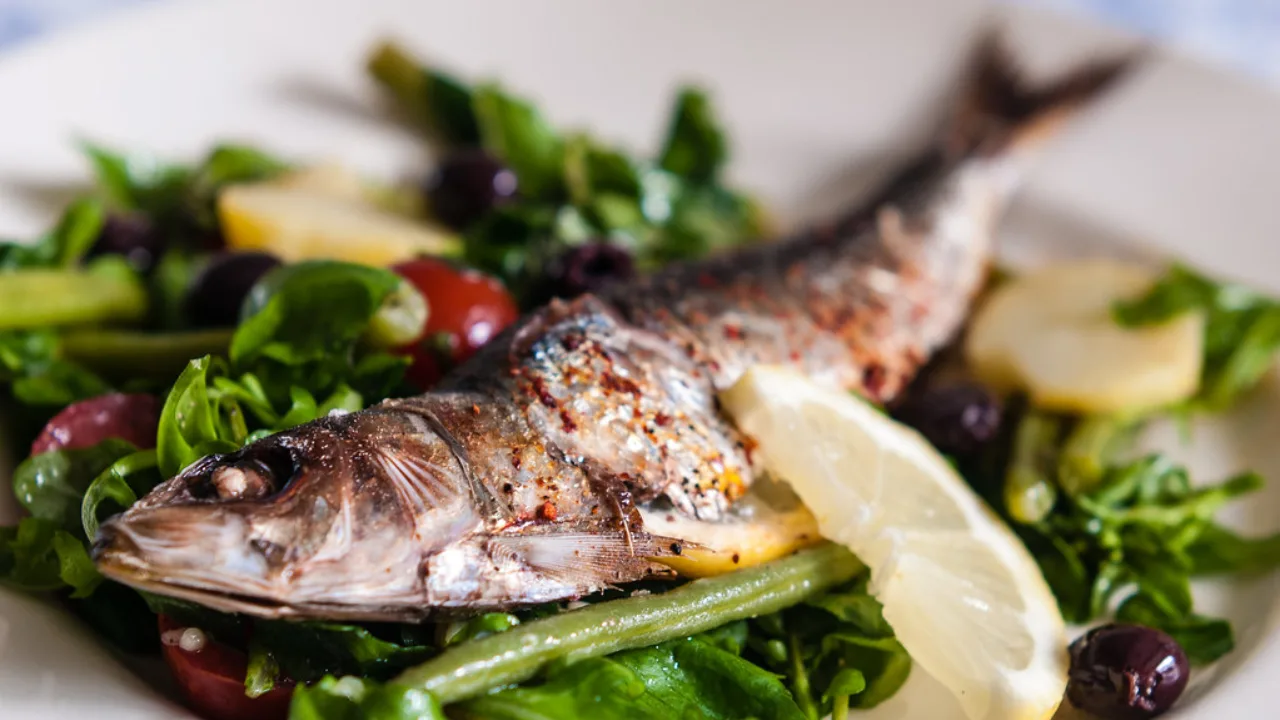
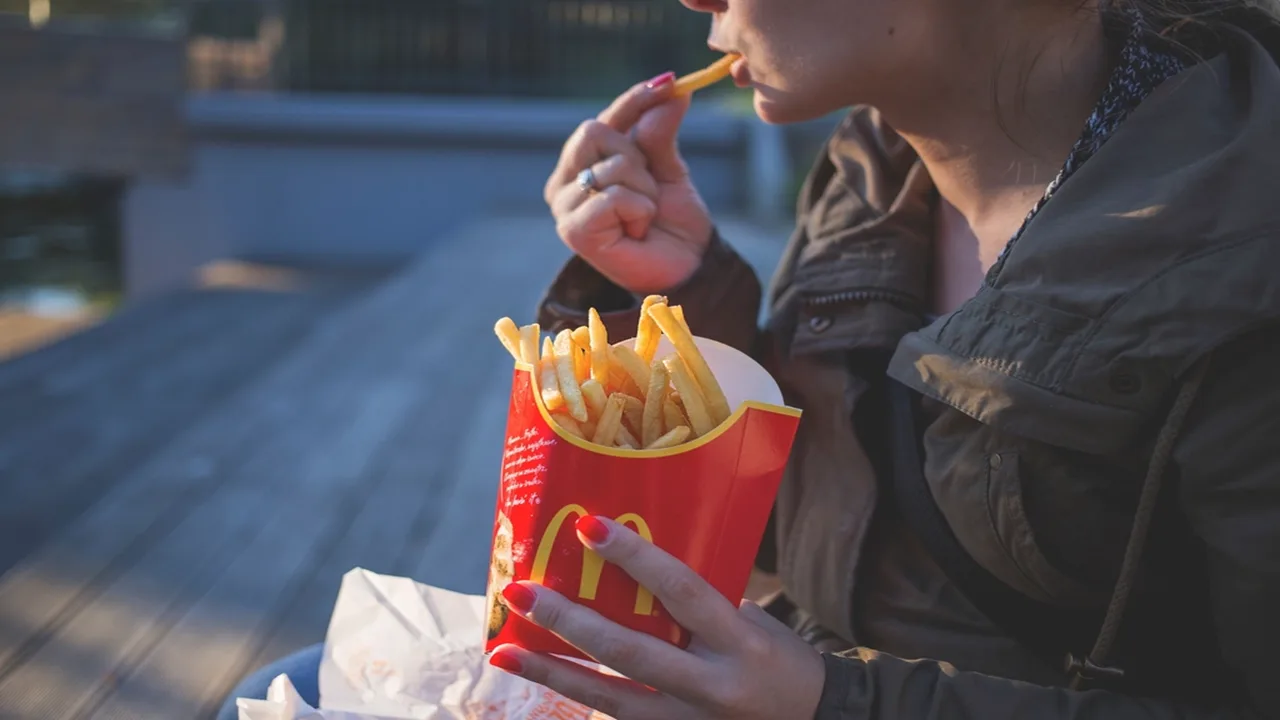
A food craving is an intense desire to eat a specific food, usually driven by emotions, hormones, habits or sensory triggers rather than real physical hunger.
Do you ever wonder what causes food cravings? It’s known that overweight people often crave certain types of foods, and these foods consist of high amounts of sugar and salt. What is interesting about this phenomenon is that it isn’t hunger that they are feeling, but something more.
Key Details About Food Cravings
| Topic | Key Points |
| What Cravings Are | Emotional or hormonal urges, not true hunger |
| Main Causes | Stress, boredom, sadness, habits, lack of sleep |
| Hormonal Factors | Leptin, ghrelin & serotonin influence cravings |
| Common Myths | Cravings ≠ nutrient deficiencies; they fade with time |
| How to Stop Cravings | Change environment, distract yourself, stay busy, avoid sugar, don’t starve |
| When Cravings Matter | Rarely nutrition-based; extreme cases may relate to deficiencies (e.g., pica) |
Facts About Food Cravings
- Food cravings often stem from emotional states, such as stress, boredom, or sadness, rather than true physical hunger.
- Hormones play a major role, especially fluctuations in leptin, ghrelin, and serotonin, which can influence desire for certain foods.
- Sleep deprivation increases cravings, especially for high-calorie and sugary foods, because it disrupts appetite-regulating hormones.
- Cravings can be learned responses, meaning people may crave foods associated with memories, habits, or reward pathways in the brain.
- Nutrient deficiencies rarely cause specific cravings; for example, craving chocolate does not typically indicate magnesium deficiency.
Also Read:- How the Body Breaks Down Carbs for Energy Into glucose
Also Read:- Why Breakfast Causes Gas and Simple Ways to Prevent It
Myths About Food Cravings
A common myth about food cravings is that they always signal a deficiency your body is trying to correct, but science shows that most cravings are driven by psychology and environment not nutrition needs.
Another popular belief is that cravings must be satisfied or they will intensify indefinitely, yet research suggests cravings usually fade if ignored or distracted from.
Many people also think they have no control over cravings, when in reality habits, sleep and stress management can significantly reduce them.
Finally, it’s often assumed that only unhealthy foods trigger strong cravings, but even nutritious foods can become “comfort foods” based on emotional associations.

Also Read:-Looking for Liver Cleanse and Weight-Loss Recipes Featuring Turmeric?
How to Stop Food Cravings
A drop in Serotonin levels or Adrenal Fatigue can actually influence cravings for salt and sugar. Now that you know what can cause these food cravings, you will want to know how you can beat them. Here are some ways you can resist these urges.
- Curb Food Cravings Tip #1: When you feel a food craving coming on, you will want to consider your environment. What are you doing? Sometimes certain places can trigger these food cravings. Certain stimuli, such as seeing something or smelling something can trigger these urges. This is when it is important to go somewhere else.
- Curb Food Cravings Tip #2: Keep busy. Sometimes when you sit and allow the mind to wander, this can influence food cravings. Instead of allowing the food craving to take over, do something active, like exercise. This will help you change your focus.
- Curb Food Cravings Tip #3: Distract yourself. Often we are too quick to give into our cravings. By changing this behavior, we can be successful at fighting these cravings. Let’s say you re craving something salty, instead of eating a high fat snack such as a packet of crisps, eat a healthier alternative such as a pickle instead. Instead of eating a chocolate bar, eat a low fat alternative, such as chocolate frozen yogurt.
- Curb Food Cravings Tip #4: Reward yourself. The trick here is to teach yourself how to crave something else. Maybe it’s a nice outfit, or maybe it’s a good film. The logic here is that you learn to reward yourself with anything other than food.
- Curb Cravings Tip #5: Never try to starve yourself. This strategy usually backfires on you. This is because the blood sugar drops and makes you more likely to binge. This will only cause you more problems. Instead, eat a piece of fruit or low fat cereal bar.
- Curb Cravings Tip #6: Do your best to eliminate sugar from your diet. Sugar is not only full of empty calories, but it is also highly addictive. There is also the chance once you eat something with high amounts of sugar, you will be hungry an hour later.
- Curb Cravings Tip #7: Load up on calcium-based foods. You want to know why, don’t you? The reasoning here has to do with a calcium deficiency. When your body is deficient in calcium, this can contribute to various types of food cravings. Make sure to drink low fat milk and eat low fat yogurt’s and cheeses. Having these will help with strong bones and supply you with enough calcium to prevent cravings.
Numerous physical or psychological causes might lead to food cravings. They could indicate hormonal imbalances, poor eating habits, excessive stress, or inactivity or sleep deprivation.
Cravings for certain foods are rarely an indication that you are deficient in the nutrients they provide. However, a diet deficient in some nutrients may occasionally be the cause of cravings for non-food objects like ice, dirt, or laundry detergent.
What causes most food cravings?
Most cravings come from emotional triggers like stress, boredom or sadness – not actual physical hunger.
Do hormonal changes influence cravings?
Yes. Fluctuations in leptin, ghrelin and serotonin can increase cravings for sugary, salty or high-calorie foods.
Can lack of sleep increase food cravings?
Absolutely. Sleep deprivation disrupts appetite-regulating hormones, making you crave sugary and high-calorie foods.
Are cravings a sign of nutrient deficiencies?
Usually not. Science shows that most cravings are psychological or emotional, not nutritional – except in rare cases like pica.
Can cravings fade if you ignore them?
Yes. Research shows cravings often weaken when you distract yourself or change your environment instead of giving in immediately.
What are some effective ways to stop food cravings?
Change your environment, stay busy, distract yourself, avoid sugar, eat regularly and include calcium-rich foods to help reduce cravings.