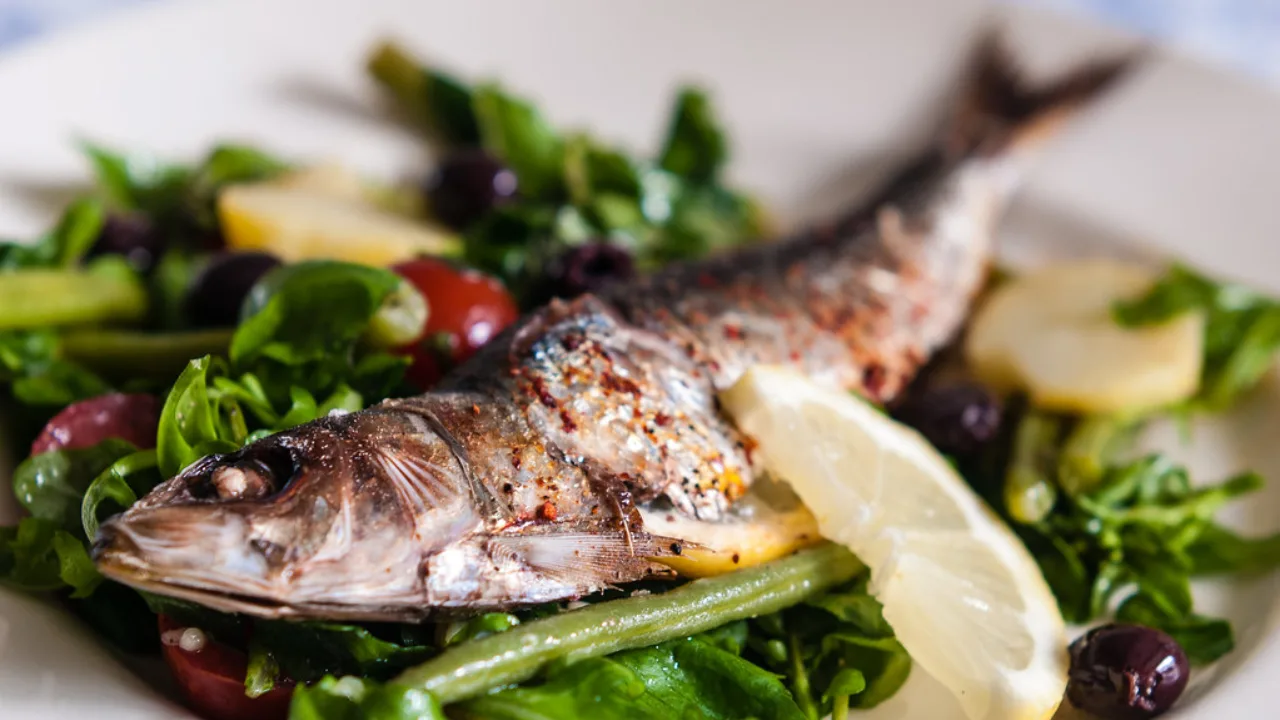

Carbohydrates are nutrients that the body breaks down into glucose, its main source of energy for the brain, muscles, and daily activities.
Ever wonder how carbohydrates are broken down for energy by the body and transform in to the force we call strength? How we dance so easily, tripling our heart rate in beats, or run for endurance? Or make it through the day without tiring at 6 pm already? Or when we need to lose fat, but don’t want to lose muscle in the process? Or perhaps you just need to know because you are concerned about foods with bad carbs, as eating foods with starch and sugar or corn syrup can cause quick blood sugar spikes. Often a cause for serious hunger pangs.
Key Details of How Carbohydrates Are Broken Down for Energy
| Topic | Key Points |
| What Carbs Do | Provide fast energy for thinking, movement, and daily function |
| Digestion Process | Carbs → Glucose via mouth, stomach, intestines, blood |
| Hormonal Response | Insulin moves glucose into cells for energy |
| Storage | Excess glucose → Glycogen (liver/muscle) or fat cells |
| Weight Impact | Sugary/starchy foods cause spikes → hunger, fat gain |
| Best Carbs | Vegetables, fruits, nuts, whole grains |
| Special Cases | Fast carbs helpful for exams or endurance training |
Also Read:- Looking for Liver Cleanse and Weight-Loss Recipes Featuring Turmeric?
Yes, we should choose our foods wisely. Not all carbohydrates are created the same. They consist of differently structured molecule chains. Consuming foods containing High Fructose Corn Syrup (HFCS) or other sugars regularly can quickly add pounds to your body, making you overweight, even obese.
But for this post you will get an idea how carb rich foods are converted into glucose or glycogen. As in the end all carbohydrates are broken down into the same molecule, glucose, throughout the process of digestion. Good or bad carbs.
Most of us crave carbs. They supply us with fast energy to think, walk and perform.
To demonstrate let’s link to what’s about to happen while we’re enjoying a bowl of cereal in the morning. How carbohydrates are converted to glucose along the digestive tract all the way into the blood stream, supplying energy to the cells.
Also Read:- Why Breakfast Causes Gas and Simple Ways to Prevent It
Also Read:- How Mint Water Provides Natural, Science-Backed Relief From Indigestion and Acidity
How Carbohydrates Are Broken Down for Energy by The Body
- Carbohydrates from food, such as cereals, white bread, rice and pasta, fruit and vegetables, are broken down to glucose and other nutrients. First in your mouth, by chewing and moistening the food with saliva, containing salivary amylase an enzyme.
- And within the muscular lining of the stomach, where it is churned and liquified by gastric juices.
- Then the liquid food, called chyme, containing already partially digested carbohydrates from the cereal as well as the proteins from the milk are send to the small intestines, to the top part called the duodenum, which is also receiving digestive juices from the liver and pancreas. The bile, processed in the liver and stored in the gallbladder, functions to emulsify the fat in the milk with the watery content. Kind of like shaking salad dressing to mix the ingredients with water and oil, if only temporarily.
- Next the nutrients, including the glucose that’s derived from the carbs in your cereal, move down to the longest and most twisted part of the small intestines, the ileum. Where they encounter a wall that’s covered with tiny, finger like, extensions called villi. These villa absorb the nourishment and pass them in to your blood system.
- Detecting glucose in your blood, the pancreas releases insulin, a hormone that moves it in to your cells. Now making the energy from the carbohydrates in your food available throughout your body.
- The digestive system and the nervous and cardiovascular system and muscle cells use glucose for immediate energy needs.
- In the liver, some glucose is synthesized into glycogen (anabolism: meaning “to build” – the smaller glucose molecule is transformed into a larger molecule, glycogen). Glycogen is stored within the liver and your muscles to keep your body functioning even after the glucose in the blood is used up.
Our Body Needs To Make Energy Constantly, Even While Sleeping
For involuntary or voluntary action your energy requirement is usually steady and increases only slightly with physical activity, like when lifting your arms and with the walking you normally do. Running a short distance for catching the bus each morning will increase your heart rate, but shouldn’t prompt you to devour a stack of pancakes smothered in maple syrup for breakfast. Your body should have enough glucose and glycose stores at hand to accommodate for it.
Why Some People Have It More Difficult To Lose Weight Or Keep It Off
And to avoid gaining unnecessary fat or for achieving weight loss, we should stick with carbs from vegetables and some fruit and nuts and whole grains rather than getting them from sugar or starches. Filling you up easier and staffing off hunger longer then those cookies. This is because glucose, when it’s not used immediately, will be stored in fat cells. Fat cells that keep growing until they split into smaller fat cells.
Sadly, fat cells don’t just disappear. They stay. Worse yet, they are ever hungry and want to be filled. A reason why some people have it more difficult than others to keep the weight off or lose it.
When A Piece Of Chocolate Is Good For You
Tip: when writing a test for class, you might want to eat a piece of chocolate before you start. Feeding your brain cells with fast readily available energy, a little sugar is great.
When you’re working out to build endurance, like when preparing for running a marathon, then your energy levels need to be replenished fast. Now fast acting carbs become helpful in preventing muscle fatigue too soon. In order to understand why we should need fast acting carbs, we must look at the methods the body uses to keep creating energy as long as possible, using three energy systems.
How does the body break down carbohydrates?
Carbohydrates are first broken down in the mouth by salivary amylase, then further digested in the stomach and small intestine until they become glucose, which enters the bloodstream.
What happens to glucose after it enters the blood?
The pancreas releases insulin, which moves glucose into the body’s cells to be used for immediate energy.
What if the body doesn’t use all the glucose right away?
Unused glucose is stored as glycogen in the liver and muscles. If stores are full, the extra glucose is converted into fat and stored in fat cells.
Why do sugary or starchy foods lead to weight gain?
Foods high in sugar or refined starch cause quick blood sugar spikes, stronger hunger pangs, and more glucose being stored as fat.
When are fast-acting carbs actually helpful?
Fast carbs are useful before mentally demanding tasks (like a test) and during endurance training when the body needs quick energy to prevent fatigue.