Lovneet Batra, a nutritionist, describes how not all salts are the same and how to select the best one for improved health.
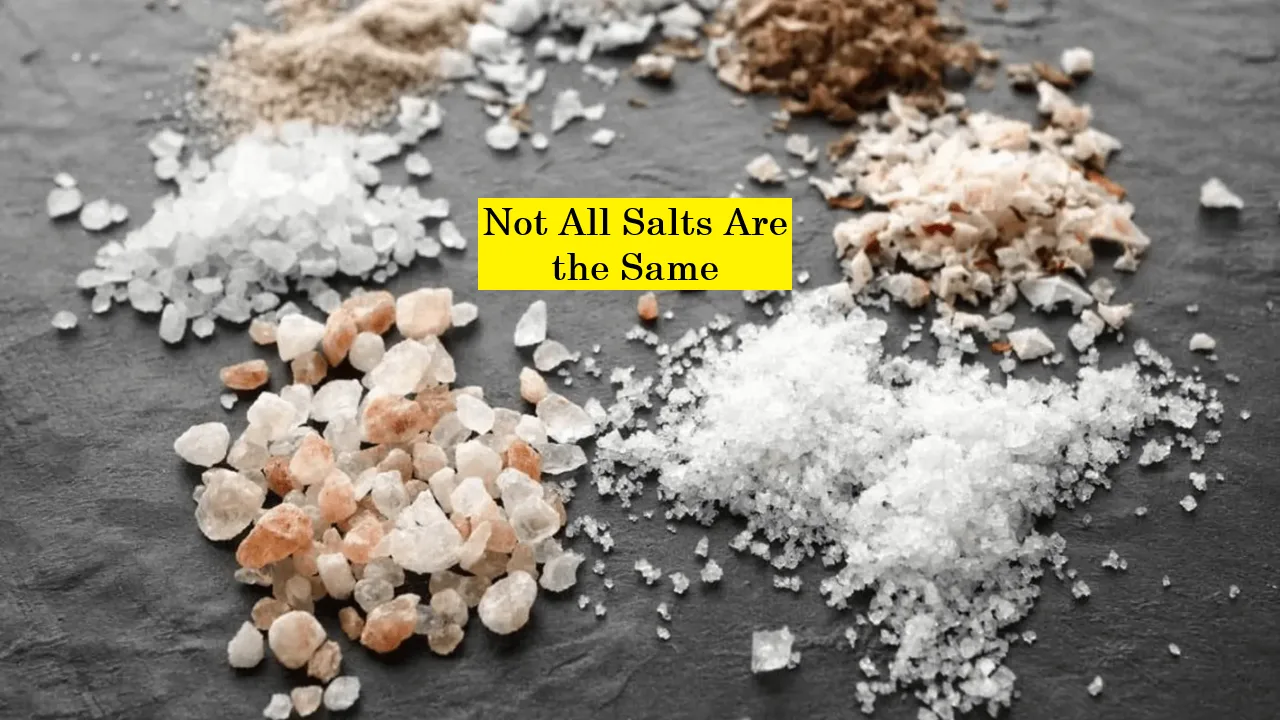
You might be surprised to learn how complex the world of salt is and not all salts are the same. In addition to regular table salt, many kinds of salt have been valued for their unique tastes, textures, and possible health advantages. Every type of salt has distinct qualities that can improve your cuisine and even have an effect on your health, from the delicate sea salt to the rough, crystalline structure of rock salt.
Key Details of “Not All Salts Are the Same”
| Salt Type | Key Benefits | Caution |
| Sea Salt | Better taste, natural minerals | May contain microplastics |
| Table Salt | Iodine supports thyroid | Highly processed |
| Black salt | Aids digestion, reduces bloating | Strong smell, use sparingly |
| Himalayan Pink Salt | Trace minerals like magnesium | No iodine |
Also Read:- Gut Health Hack: Why Nutritionists Recommend Ghee in the Morning
Lovneet Batra, a nutritionist, describes the various kinds of salt and how to select the best one for improved health. “All Salts Are NOT the Same – and choosing the right one can impact your thyroid, digestion, hydration & overall mineral balance,” she says in an Instagram post.

Also Read:- How Much Is Too Much, AHA Recommendations and the Many Hidden Names of Sugar
Here’s a breakdown of different salts to help you choose smarter:
1. Sea Salt
The natural salt made from evaporated seawater is called sea salt. This is cleaner, tastes better, and helps maintain natural nutrients. Always check before purchasing because some inferior versions can have traces of microplastics.
2. Table Salt
Although it is the most widely used salt, it is also the most processed. It is devoid of natural minerals and frequently contains anti-caking chemicals, however it is beneficial for preventing iodine shortage and promoting thyroid health.
3. Black Salt (Kala Namak)
This sulfur-rich, sour salt is used in salads and chaats. Digestion, bile flow, bloating relief, and gut-friendly sulphur compounds are all aided by it. The powerful scent of the salt may have an impact on the food’s quality. It works best when used in modest amounts.
4. Himalayan Pink Salt
Himalayan pink salt is a fantastic way to add trace amounts of magnesium, calcium, and potassium to your diet because it is pure, naturally mined, and full of trace minerals. But since it doesn’t include iodine, it’s best not to completely replace table salt.
Your personal taste preferences, culinary requirements and health objectives will determine which salt is ideal for you. Make smart decisions to transform your food from boring to amazing and remember not all salts are the same.
Disclaimer: This content, which includes advice, only offers general information. It is by no means a replacement for a professional medical opinion. For additional information, always speak with a specialist or your physician. This information is not the responsibility of Dietivity.