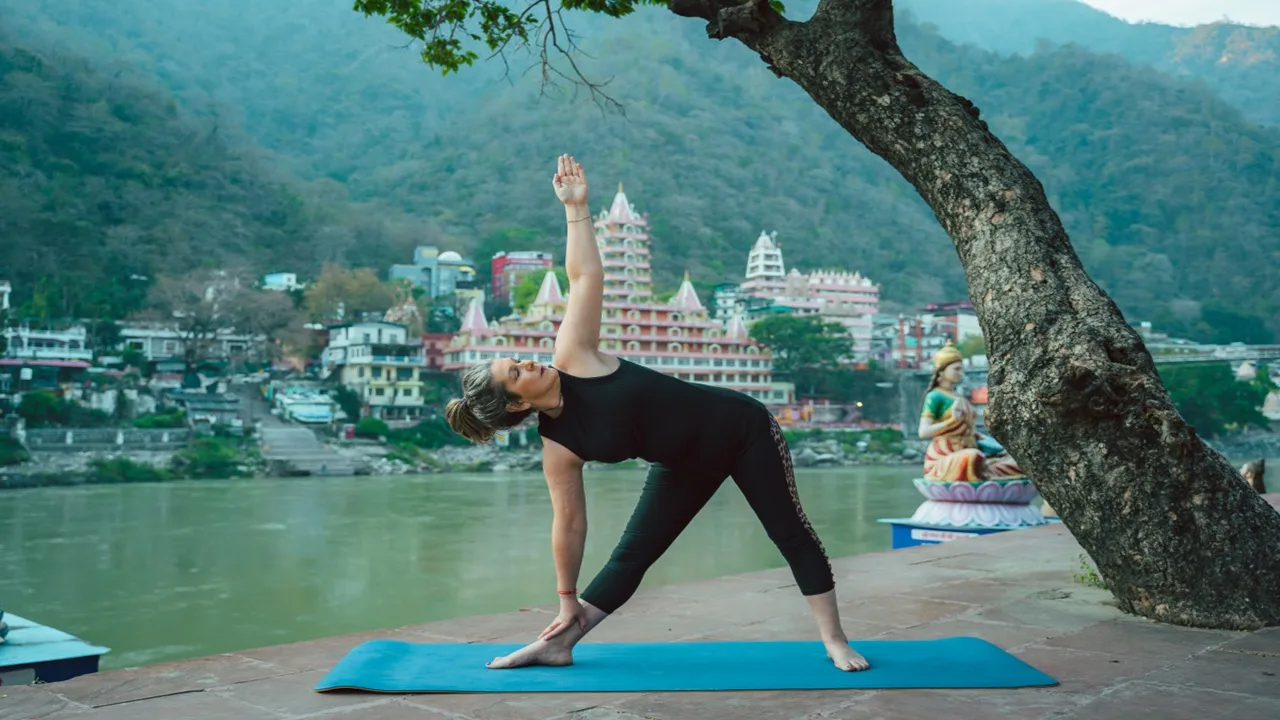
Regular exercise is crucial for those who have PCOS. One effective strategy for managing the disease is to do yoga. These are a few yoga poses that may help with PCOS.
Yoga for PCOS: Ovarian cysts, excess androgens (male hormones) and irregular periods are all symptoms of polycystic ovarian syndrome or PCOS. In addition to causing acne, excessive hair, weight gain and infertility, this hormonal disease is prevalent in women of reproductive age. Additionally, PCOS raises the risk of heart disease, diabetes and mood disorders. PCOS can only be controlled by medicine and lifestyle modifications like diet, exercise and weight loss, among other things. There is no known treatment for the illness.
Key Details of Yoga for PCOS
| Aspect | Key Insight |
| Condition | Polycystic Ovary Syndrome (PCOS) |
| Common symptoms | Irregular periods, weight gain, acne |
| Risk factors | Diabetes, heart disease, mood disorders |
| Role of yoga | Hormonal balance & stress reduction |
| Ideal duration | 20–30 minutes daily |
| Core benefit | Improved pelvic circulation |
| Stress impact | Lower cortisol levels |
| Fertility support | Enhanced reproductive health |
| Best approach | Yoga + medical care |
| Safety note | Practice gently & consistently |
Also Read:- Is Well-Being the New Productivity? How Work Culture Will Change in 2026
Regular exercise is crucial for those who have PCOS. This can lessen menstrual discomfort and cramps and help control the symptoms. One effective strategy for managing the disease is to do yoga. By improving circulation, lowering cortisol and enhancing reproductive health, the asanas aid with hormonal imbalance, irregular periods and stress. Regular practice for 20-30 minutes daily along with medical treatment can be beneficial. These are a few yoga poses that may help with PCOS.
Yoga Asanas That Can Help With PCOS
Also Read:- Viral Sprint Workout Claims 36-Hour Fat Burn—Here’s What Science Says
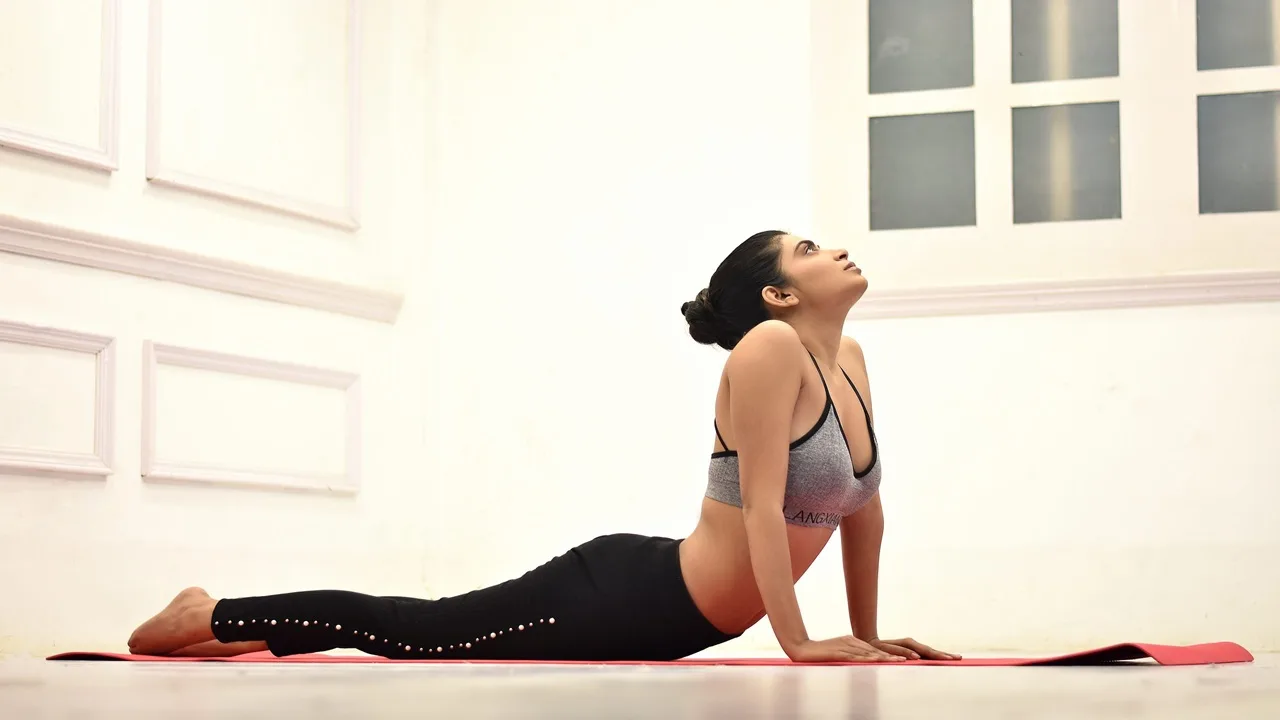
1. Cobra Pose (Bhujangasana)
This stance enhances pelvic circulation and stimulates the thyroid and ovaries. Hirsutism and irregular cycles are lessened as a result. This asana, which is a component of Surya Namaskar, aids in lowering belly fat and strengthening the spine. Hold this position for 15 to 30 seconds while lying on your abdomen and lifting your chest with your palms.
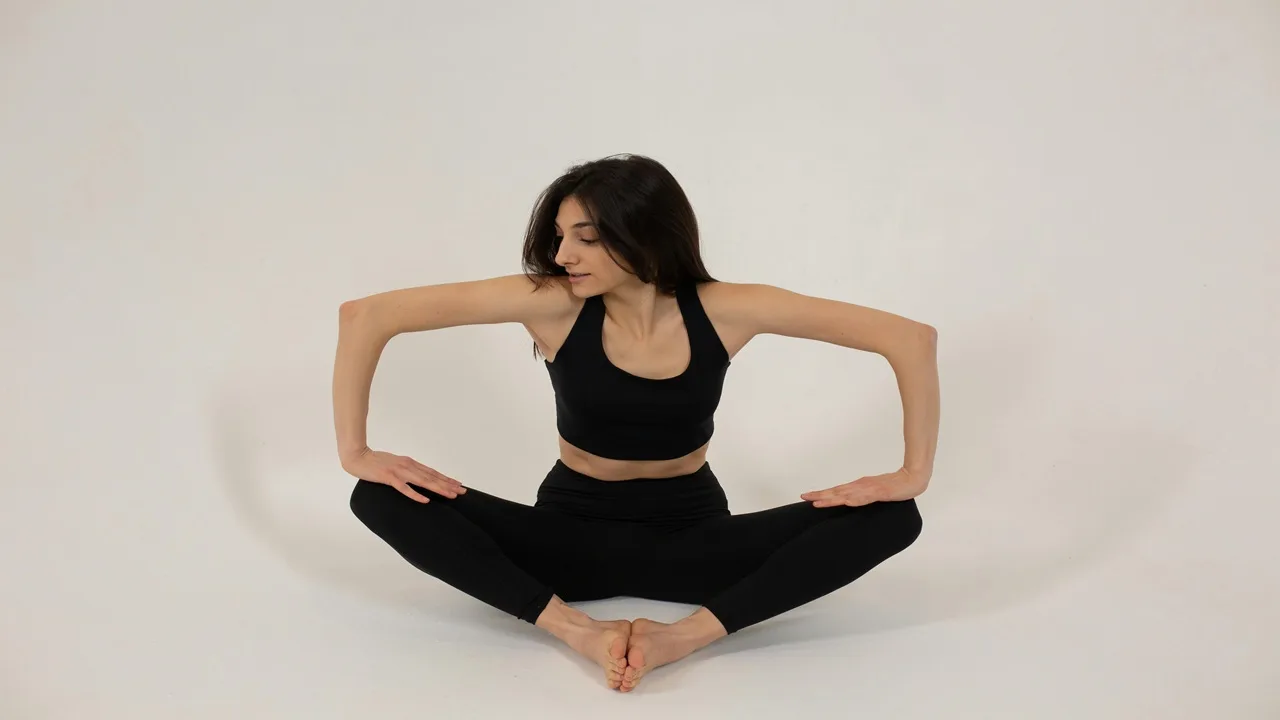
2. Butterfly Pose (Baddha Konasana)
This pose is well-known for expanding the pelvis and hips. Menstrual pains are lessened and emotional release is encouraged by this pose, which also enhances circulation to the uterus and ovaries. Additionally, it eases pelvic floor and groin stiffness, enhancing fertility and lowering PCOS tension. Sit with your knees outward and the soles of your feet together. Hold this stance for 30 to 60 seconds, or gently flap your legs like wings.
3. Sun Salutation (Surya Namaskar)
This dynamic 12-pose sequence works the entire body. It enhances hormonal balance and metabolism, both of which are critical for PCOS. It can help control menstrual cycles and aid in conception by lowering stress-related cortisol and increasing pelvic blood flow. Begin with Tadasana and progress through downward dog, cobra, plank and forward folds. Do this five to ten times while breathing in unison.
4. Reclining Butterfly (Supta Baddha Konasana)
This pose improves flow to the reproductive organs, eases anxiety and relaxes the pelvic floor. It aids in combating PCOS causes. Keep your knees open and your feet together while you recline. It keeps you composed, which is essential for hormonal support. Breathe deeply while holding this stance for three to five minutes.
5. Bow Pose (Dhanurasana)
This backbend improves pelvic circulation, releases tension and massages the abdominal organs—all of which assist to control menstruation and lower stress. It strengthens reproductive organs and fights dyspepsia, which PCOS can exacerbate. Lay flat on your stomach, clasp your ankles, raise your thighs and chest, take a breath and hold it for 20 to 30 seconds.
6. Wind-Relieving Pose (Pawanmuktasana)
This pose promotes pelvic blood flow for improved menstrual regulation, improves digestion and compresses the abdomen to eliminate gas. It also lessens bloating and PCOS-related seconds while lying on your back and hugging your legs to your chest.
7. Boat Pose (Naukasana)
The pelvic and core muscles are strengthened with naukasana. It stimulates the reproductive organs and specifically targets the extra abdominal fat that is frequent in PCOS. This asana improves digestion and lowers anxiety by balancing on the sit bones with the legs and torso raised at a 45-degree angle. Bend your knees, lean back and extend your arms and legs forward. Hold this position for 15 to 30 seconds, then repeat three times.
8. Garland Pose (Malasana)
This deep squat opens the hips and strengthens the pelvic floor. Additionally, it improves blood flow to the abdomen, which aids with hormone balance and weight management. It enhances digestion and metabolism, both of which are critical for managing PCOS. Hold five to ten breaths while squatting with your feet flat and your elbows pressing your knees outward. Blocks can be used to improve assistance.
Disclaimer: All of the material in this site, including advice, is general. It is by no means a replacement for a professional medical opinion. For additional information, always speak with a specialist or your physician. This information is not the responsibility of Dietivity.