
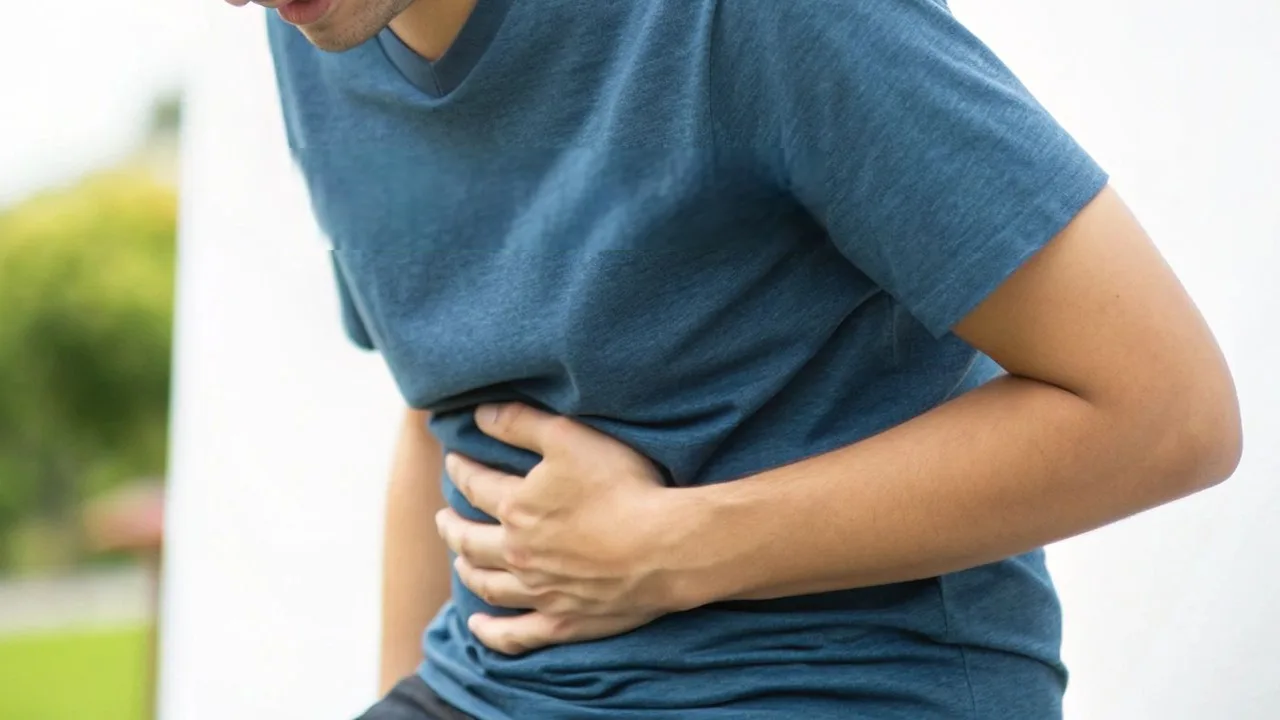
Many people experience gas after eating breakfast. This can be uncomfortable and may lead to bloating or abdominal discomfort.
As the first meal of the day which may form gas after eating breakfast for many people, because breakfast breaks the fast from the previous night and speeds up your metabolism. In addition to offering vital vitamins and minerals, a balanced breakfast enhances focus and cognitive performance. Additionally, it helps sustain energy throughout the morning and stabilize blood sugar levels. But having breakfast is just as crucial as selecting the appropriate items.
Key Details about the gas after eating breakfast
| Key | Details |
| Why Gas Happens After Breakfast | Breakfast breaks the overnight fast, speeds up metabolism and can trigger gas for many people, causing bloating or abdominal discomfort. |
| Food Choices That Cause Gas | Sugary cereals, greasy foods, whole grains, dairy products, fruits, processed foods and foods with additives may lead to queasiness or gas. |
| Other Causes of Gas | Eating too quickly (swallowing air), food intolerances such as lactose or gluten, artificial sweeteners like sorbitol, mannitol and carbonated drinks. |
| Tips to Prevent Gas | Avoid coffee first thing, choose easier-to-digest foods, eat slowly, control portions, avoid sugary or processed foods, drink water, cut back on dairy, adjust breakfast timing, include digestive aids like ginger, peppermint, fennel, probiotics and walk after meals to avoid gas after eating breakfast. |
| Overall Insight | Gas is a common issue; choosing the right foods and eating habits can improve digestion and lower the risk of gas after breakfast. |
Gas is a common side effect of having breakfast. This may cause bloating or discomfort in the abdomen, which can be uncomfortable. Here are some suggestions for avoiding gas after eating breakfast, but first let’s identify the contributing causes.
Also Read:- Top 7 Upper Body Exercises to Build Strength, Stability & Better Posture
Also Read:- Why Heart Attack Risk Increases in Winter & How to Prevent It
What causes gas after eating breakfast?
Food intolerances: Some people may be intolerant to certain foods, such as gluten in wheat or lactose in dairy, which can cause digestive problems.
Food choices: Some breakfast items, such as cereals heavy in sugar, greasy foods, or foods with a lot of additives, can make you feel queasy. Whole grains, dairy products, fruits, and some processed foods are common offenders.
Carbonated drinks: The carbonation in fizzy drinks can cause your digestive tract to absorb more air.
Eating too rapidly: When you eat too quickly, you may swallow air, which can cause gas to build up.
Artificial sweeteners: Many breakfast foods and drinks contain artificial sweeteners like sorbitol and mannitol that can contribute to gas and bloating.
Tips to prevent gas after eating breakfast:
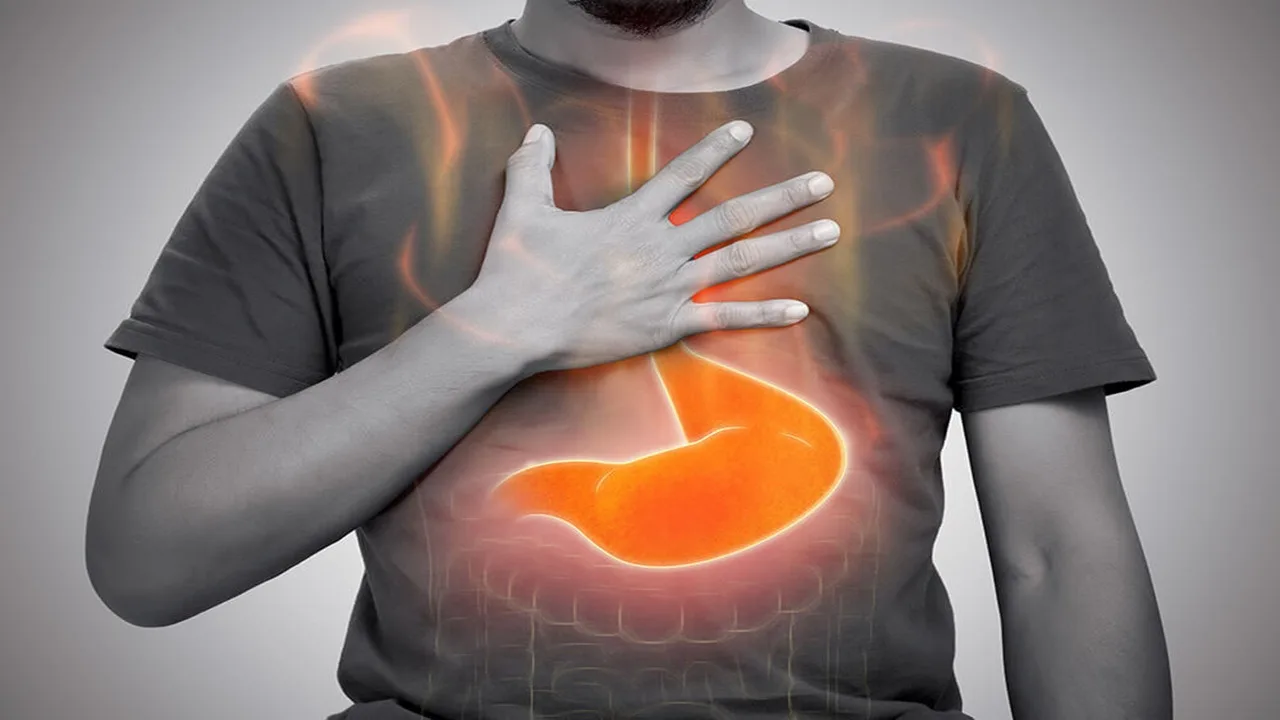
1. Drink plenty of water
Drinking a glass of water first thing in the morning aids in improving digestion. Water helps with digestion as well, but try not to drink too much during meals to reduce bloating.
2. Include digestive assistance
To improve digestion and lessen gas, think about including items like ginger, peppermint, fennel seeds, or probiotics in your breakfast.
3. Avoid coffee as the first thing
For some people, drinking coffee on an empty stomach can result in digestive problems including bloating. Try drinking your coffee with or after a meal if this occurs. For maximum vitality, coffee should be consumed in the middle of the morning.
4. Modify the times
Try different times for breakfast. In order to give their digestive system time to wake up, some people may find it beneficial to wait some time after waking up before having breakfast.
5. Choose the right foods
Choose foods that are simple for the digestive tract. Consider eggs, yogurt, or oatmeal in place of raw fruits or legumes.
6. Walk after meals
After meals, including breakfast, a 10-minute walk can improve digestion and lower the risk of gas and other digestive issues.
7. Eat slowly
Give your food plenty of time to chew. This technique can promote easy digestion and reduce the amount of air swallowed.
8. Cut back on dairy
Consider lactose-free dairy products or non-dairy milk substitutes if you are sensitive to or intolerant of lactose.
9. Portion control
Your digestive system can operate more efficiently if you eat fewer meals. In the end, better digestion lessens the chance of gas.
10. Avoid processed foods
Your stomach may be upset by sugary breakfast cereals. As a result, avoid eating breakfast foods that are heavy in sugar, chemicals, and preservatives since these might lead to gas and other digestive problems.
One common stomach problem is gas. You may improve digestion and avoid gas after eating breakfast by being aware of the foods you choose and how you consume.
Disclaimer: This content, which includes advice, only offers general information. It is by no means a replacement for a professional medical opinion. For additional information, always speak with a specialist or your physician. This information is not the responsibility of Dietivity.