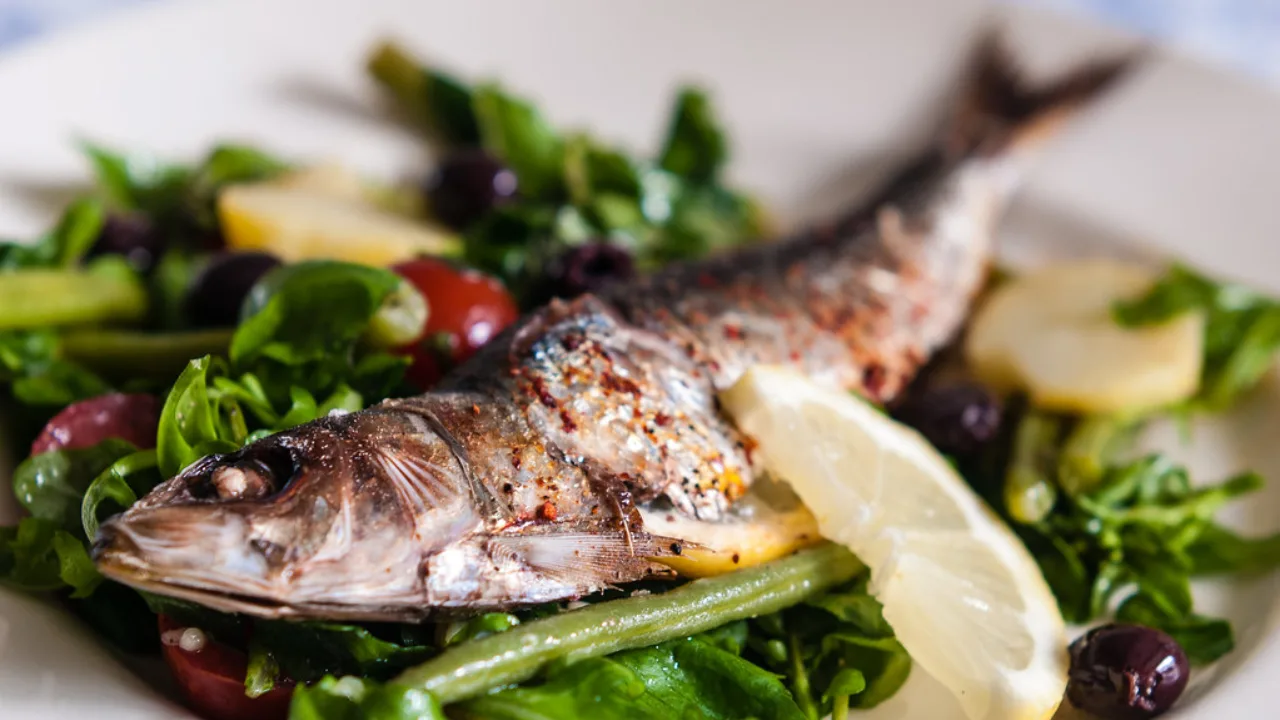

People can lessen the frequency and intensity of Acid Reflux symptoms by avoiding trigger foods and embracing healthy things. Know Best and Worst Foods for Acidity here.
Best and Worst Foods for Acidity: Acid reflux, sometimes referred to as gastro-oesophageal reflux disease (GERD), occurs when stomach acid irritates the oesophagus by flowing back into it. Heartburn, regurgitation, and chest pain are common symptoms. This is referred to as gastro-oesophageal reflux disease (GERD) when it happens regularly (twice a week or more). One common condition that might make you feel like you’re burning is Acidity.
Key Details of Best and Worst Foods for Acidity
| Category | Foods to Choose | Foods to Avoid |
| Fruits | Apples, pears, melons | Oranges, lemons, grapefruit |
| Drinks | Water, ginger tea | Coffee, sugary sodas |
| Eating Habits | Early dinners | Late-night snacking |
| Digestion | Fennel seeds | Fried, greasy foods |
Also Read:- Always Tired or Moody? These Subtle Signs Could Point to Vitamin Deficiency
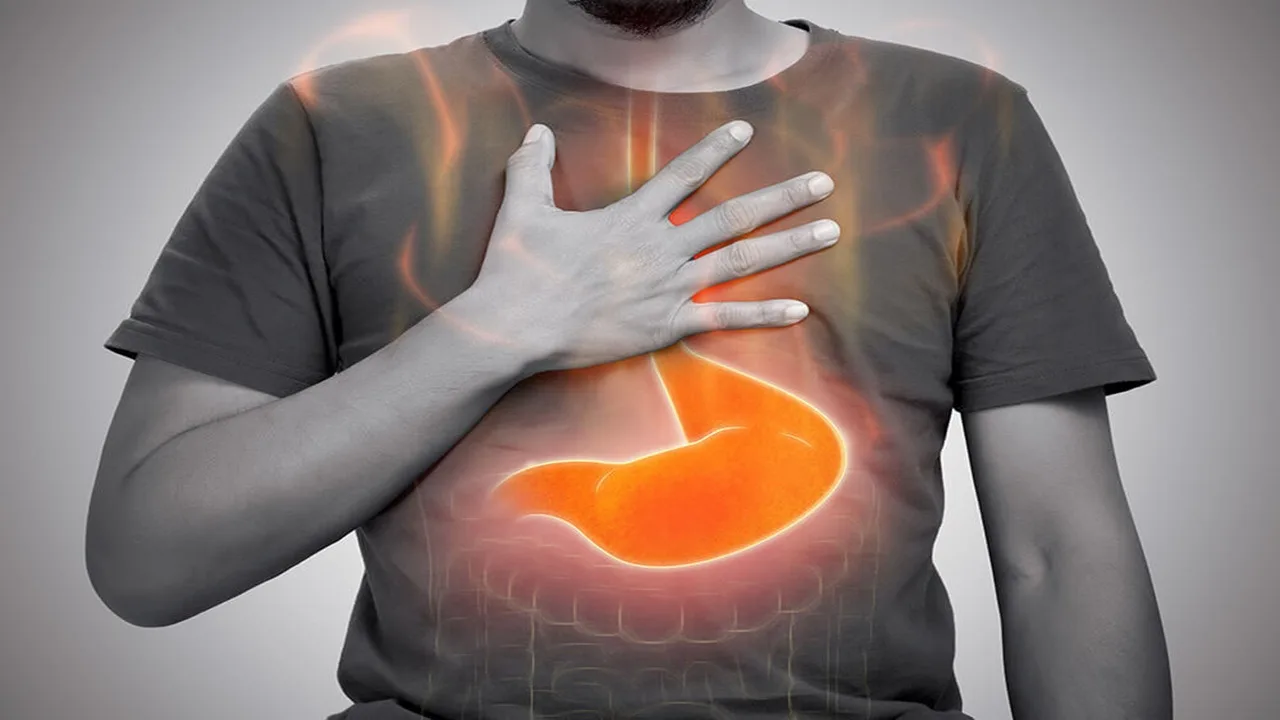
Acidity can be brought on by pregnancy, obesity, or specific meals. The symptoms of acid reflux can be greatly reduced by making some dietary adjustments and knowing best and worst foods for acidity. People can lessen the frequency and intensity of their symptoms by avoiding trigger meals and including helpful products. Here is a list of the best and worst meals for acidity to help avoid this common digestive problem.
Best and Worst Foods for Acidity
The best beverages and meals for Acidity
1. Fruits such as melons, pears, and apples
These fruits can help absorb stomach acid and lessen symptoms because they are high in fibre and low in acid. Additionally, they are high in nutrients, which promotes general wellness.
2. Simple water
Maintaining hydration aids in improving digestion and neutralising stomach acid. Nearly every biological function depends on water, which also promotes general health.
3. Dinners early
Eating earlier in the evening lowers the chance of reflux during sleep by giving the body time to digest food before bed.
4. Tea with ginger
Ginger can help calm the stomach and has inherent anti-inflammatory qualities. For people with Acidity, ginger tea is frequently a soothing beverage.
5. Seeds of fennel
These seeds can calm the stomach and help with digestion. Additionally, they might lessen the pressure on the LES by preventing bloating.

Also Read:- Eat Like the French This Holiday Season – Without Gaining Weight
The worst beverages and meals for acid reflux
1. Snacks at night
Eating right before bed can cause reflux while you’re asleep. After eating, lying down facilitates the return of stomach contents to the oesophagus. Additionally, it may cause the digestive system to slow down. After meals, a 10-minute stroll can promote easy digestion.
2. Fruits with citrus
Citrus fruits can exacerbate symptoms of acidity even though they are very healthy and great sources of vitamin C. Due to their high acidity, fruits like oranges, lemons, and grapefruits can aggravate heartburn by irritating the oesophagus.
3. Fried foods
The lower esophageal sphincter (LES) can be relaxed by greasy and fried foods, which increases the risk of reflux. Additionally, they may slow down digestion, which prolongs the time food remains in the stomach and produces a burning feeling.
4. Sodas with added sugar
Bloating and elevated pressure on the LES can result from carbonated drinks. Additionally, the sugar content may cause weight gain, which increases the risk of reflux.
5. Coffee and tea
Caffeinated drinks can relax the LES and increase the generation of acid, which facilitates the passage of acid into the oesophagus. It is therefore advisable to refrain from eating them on an empty stomach.
Changing your diet is frequently the first step in treating the symptoms of Acid reflux. This entails recognising and avoiding foods that may cause reflux by irritating the oesophagus or relaxing the LES. To avoid this frequent problem, adhere to the aforementioned dos and don’ts. That’s all for Best and Worst Foods for Acidity.
Disclaimer: This content, which includes advice, only offers general information. It is by no means a replacement for a professional medical opinion. For additional information, always speak with a specialist or your physician. This information is not the responsibility of Dietivity.