Studies show Low GI Breakfasts before exercise may increase fat oxidation, improve fullness and reduce cravings, making them a smarter pre-workout meal choice.
Low GI Breakfasts: Melting off those stubborn love handles is frustrating and sometimes cutting calories and adding exercise just doesn’t seem to be enough. Before you throw in the towel consider the type of pre-workout meal you’ve been eating. Researchers at the University of Nottingham studied how two different types of pre-workout breakfasts affected the fat burning power of exercise and found something practical that we can all put to use…
Key Detail of Low GI Breakfasts
| Key Aspect | Findings from the Article |
| Research Focus | Low GI vs High GI pre-workout breakfasts |
| Fat Burning Indicator | Higher free fatty acids with low GI meals |
| Exercise Impact | Increased fat oxidation during workouts |
| Hunger Control | Greater satiety, fewer cravings before lunch |
| GI Limitation | Does not account for serving size |
| Better Measure | Glycemic Load (GL) includes portion size |
Also Read: Stop Yo-Yo Dieting: Why Mindset and Habit Change Matter More Than Diets
Researchers compared the impact on fat metabolism between Low GI Breakfasts and High glycemic index (GI) breakfasts, both before and during exercise:
They found that although blood sugar levels returned to normal prior to working out, the levels of free fatty acids (FFA’s) were significantly higher two hours post-breakfast and during exercise in the low GI breakfast group. FFA’s are indicators of fat oxidation, which is the breakdown of fatty tissue.
The researchers also noted that participants reported higher satiety before lunch when they had eaten the low GI breakfasts that morning. In other words, they suffered fewer cravings.
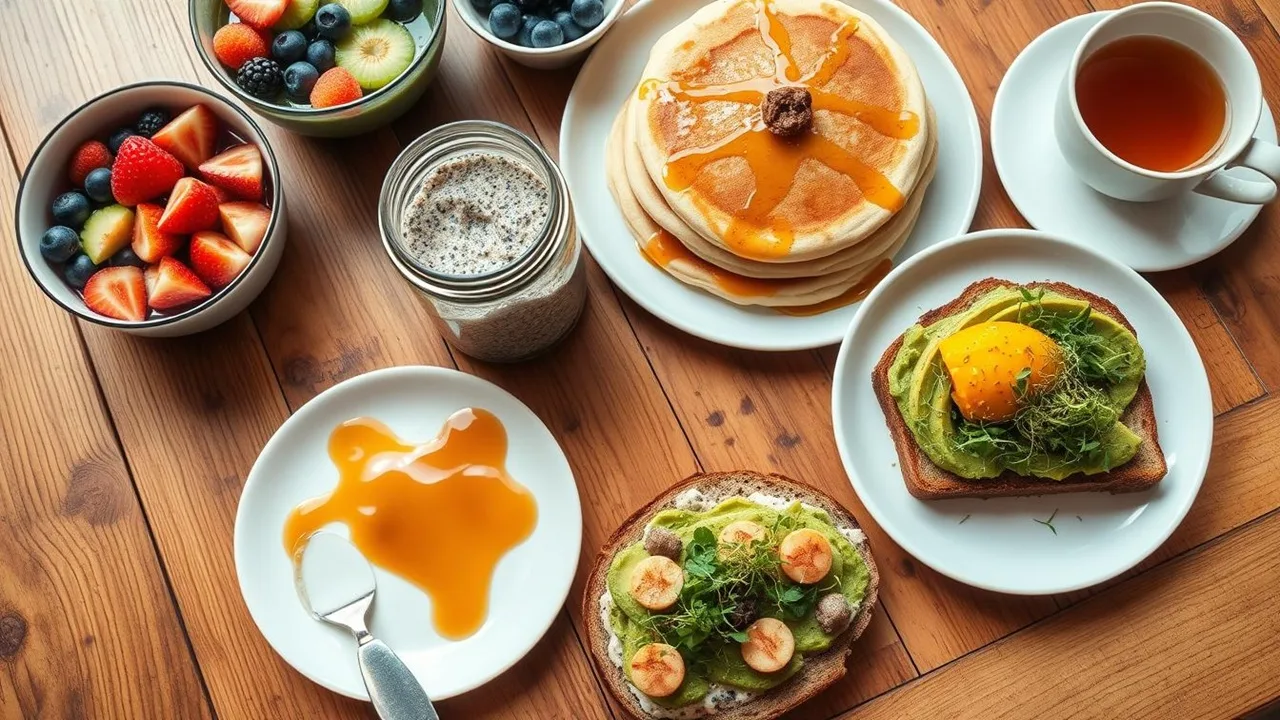
The glycemic index is a system for measuring a food’s effects on blood sugar levels.
Foods with a higher GI are more quickly broken down and released into the bloodstream as glucose (or blood sugar). Over-consumption of high GI foods is linked to insulin resistance, diabetes, metabolic syndrome, and weight gain. These foods are also more likely to cause cravings shortly after the spike in blood sugar drops.
Also Read:- Can Vinegar Really Help With Weight Loss? What Research and Diet Tips Reveal
However, there is a problem with the GI system.
It doesn’t take average serving sizes into account. In response, there is now a movement toward using the Glycemic Load (GL) as a more accurate measure of a food’s impact on blood sugar. Glycemic load takes the GI of a food and factors in the average serving size. So, for practical reasons, planning low GI meals is good, but planning low GL meals is ultimately better.
Glycemic Index Ranges:
Low GI: less than 55
Medium GI: 56 – 69
High GI: over 70
Glycemic Load Ranges:
Low GL: 0-10
Moderate GL: 11-19
High GL: 20 and over
In general, foods with high glycemic loads/indexes include refined grains or have a high content of simple sugars. Complex carbs are not bad! Just stick with whole grains, lean proteins, fresh fruits and vegetables. Read the ingredient labels, especially on products that you think are healthy like yogurt and instant breakfast cereals. You’d be surprised at how often they have extra sugar or high fructose corn syrup. Also be aware that the way foods are cooked and prepared can change their GI/GL. For example bananas: the less ripe, the lower the GL, or if they’re mashed (like in a smoothie) the GL goes up from 8 to 13.
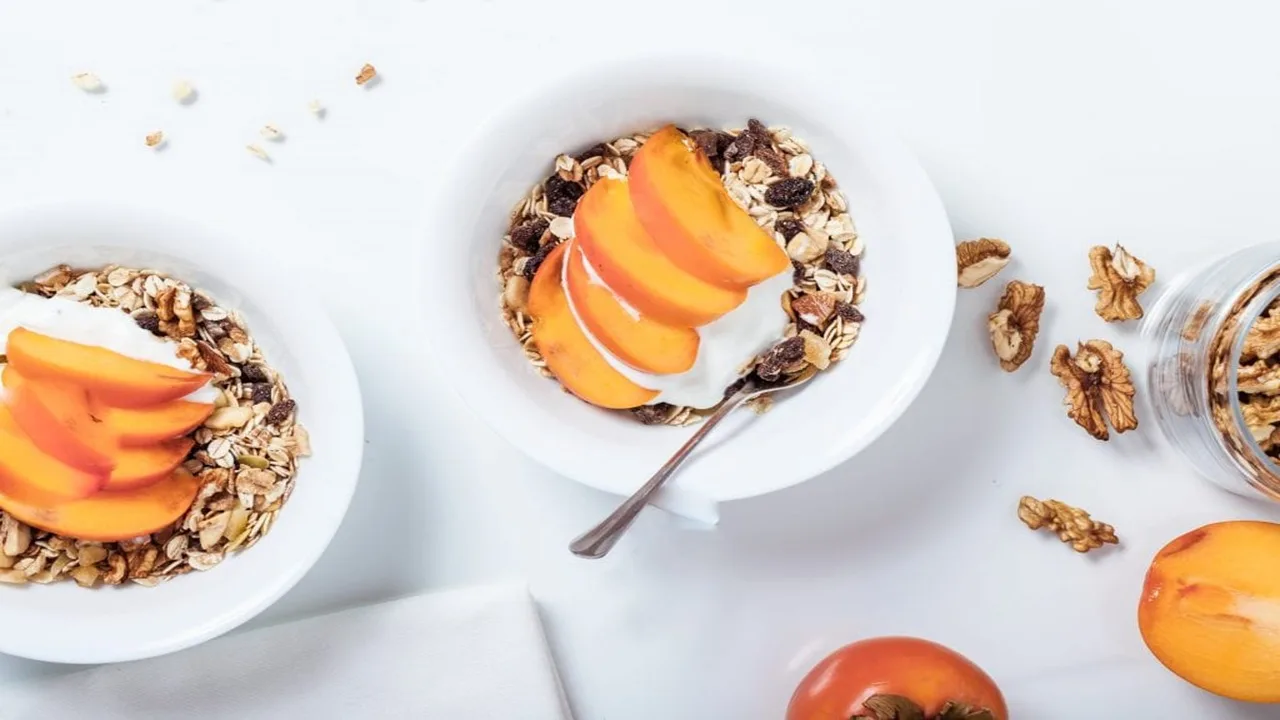
Here’s a few examples of low GI breakfasts foods (and a few others for comparison:) :
Lean Ham: GL=0-1
Apple with skin, raw: GL=3
Grapefruit: GL=3
Scrambled Eggs: GL=5
Multigrain Toast: GL=5
Small banana: GL=8
Whole Milk: GL=9
Skim Milk: GL=9
Whole Wheat English Muffin (toasted): GL = 13
Cream of Wheat: 13
Instant Cream of Wheat: 15
Oatmeal: GL varies–13 for whole rolled oats, but increases with instant oatmeal, and the sugars that are often added for flavoring.
Silk Soy Yogurt (plain): GL=11
Plain Non-Fat Yogurt: GL=11
Plain Regular-Fat Yogurt: GL=8
Honey (1Tbsp/1oz): GL=10
White Table Sugar (1 Tbs./1oz): GL=19
Brown Sugar (1 Tbs./1oz): GL=19
Reference for GL values: nutritiondata.com