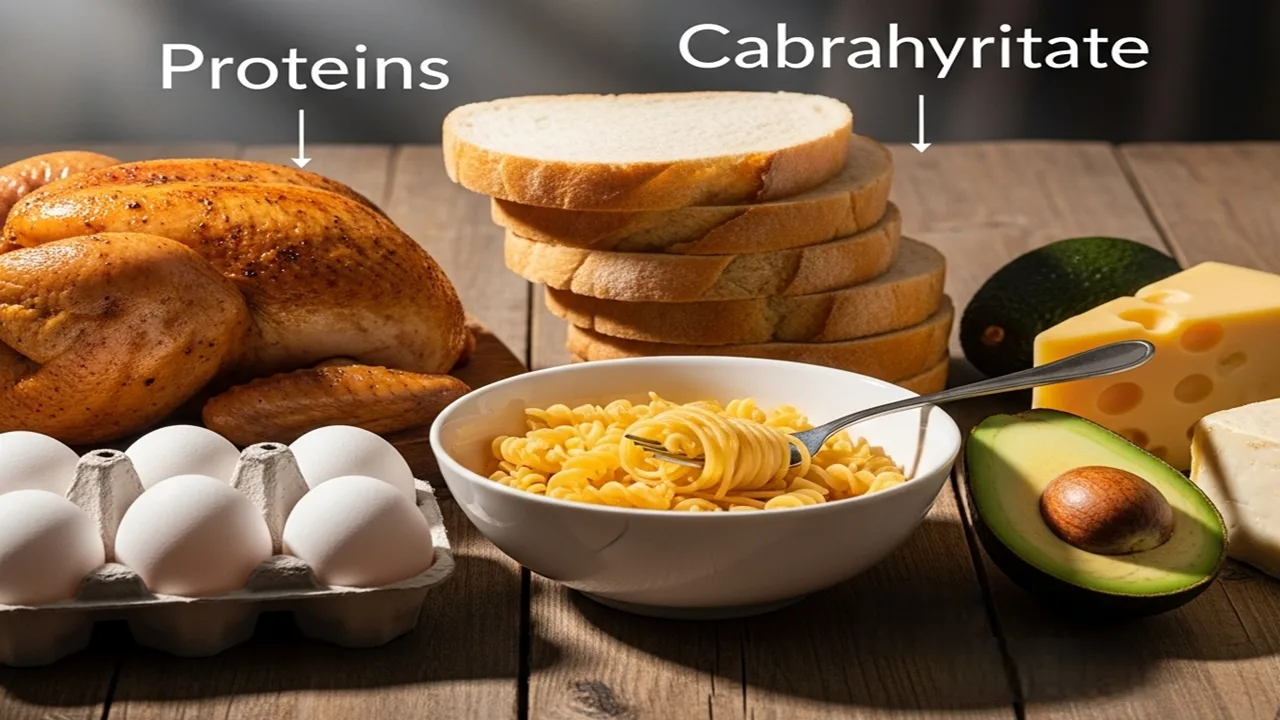
Protein diet charts help balance calories, appetite, and nutrition by adjusting protein, carb and fat intake, making weight-loss plans easier to follow and sustain.
High protein low carb diet: There are so many variations of low carb diet plans, each with their own style of carb-counting, acceptable foods, and foods to avoid but they can be hard to stick to, especially if long-term weight loss is the goal. Sometimes, rather than adhering to a restrictive regimen, it’s better to create our own, personalized strategies that we know we can live with. After all, when a plan fits into our lifestyle and suits our preferences, we’re more likely to succeed. This is where high protein low carb diet charts can come in handy.
Key Details of high protein low carb diet
| Diet Type | Protein | Carbs | Fat | Key Focus |
| Typical Western Diet | 15% | 43% | 42% | High carbs and fats |
| Moderate Protein (Low Fat) | 30% | 50% | 20% | Balanced calories, sustainable |
| Moderate Protein (ZONE) | 30% | 40% | 30% | Hormonal balance approach |
| High Protein (Atkins Phase I) | 30–35% | 0–5% | 60–65% | Very low carbs, high fat |
| High Protein (Atkins Phase II) | 30–35% | 5–10% | 50–55% | Slight carb increase |
| High Protein (Maintenance) | 30% | 30% | 40% | Long-term higher protein |
Also Read: –Inside Dr Rau’s Detox Diet: The Alkaline Plan Behind Rapid Weight Loss
High Protein Low Carb Diet
The information and links that follow can allow you find a balance between protein, carbs, and fats, while zeroing in on how these groups fit into overall calorie intake. This is important, because ultimately, our total intake in terms of calories is what determines whether we lose weight or not.
Tip of High protein low carb diet: 1 gram of carbs = 4 calories. 1 gram of protein also = 4 calories. Merely replacing carbs with protein (without keeping total calories in mind) can just set us up for needless suffering because overall calorie intake will remain the same. Even worse, diets high in animal-derived protein can become high in unhealthy fats, thus adding even more calories. 1 gram of fat = 9 calories. These are two big reasons why some people don’t see results from their high protein diets.
What makes higher protein diets successful is not fully understood, though it definitely has much to do with the how protein affects our appetite. We’re left feeling fuller for a longer time than with carbs, which means we’ll tend to eat less overall.
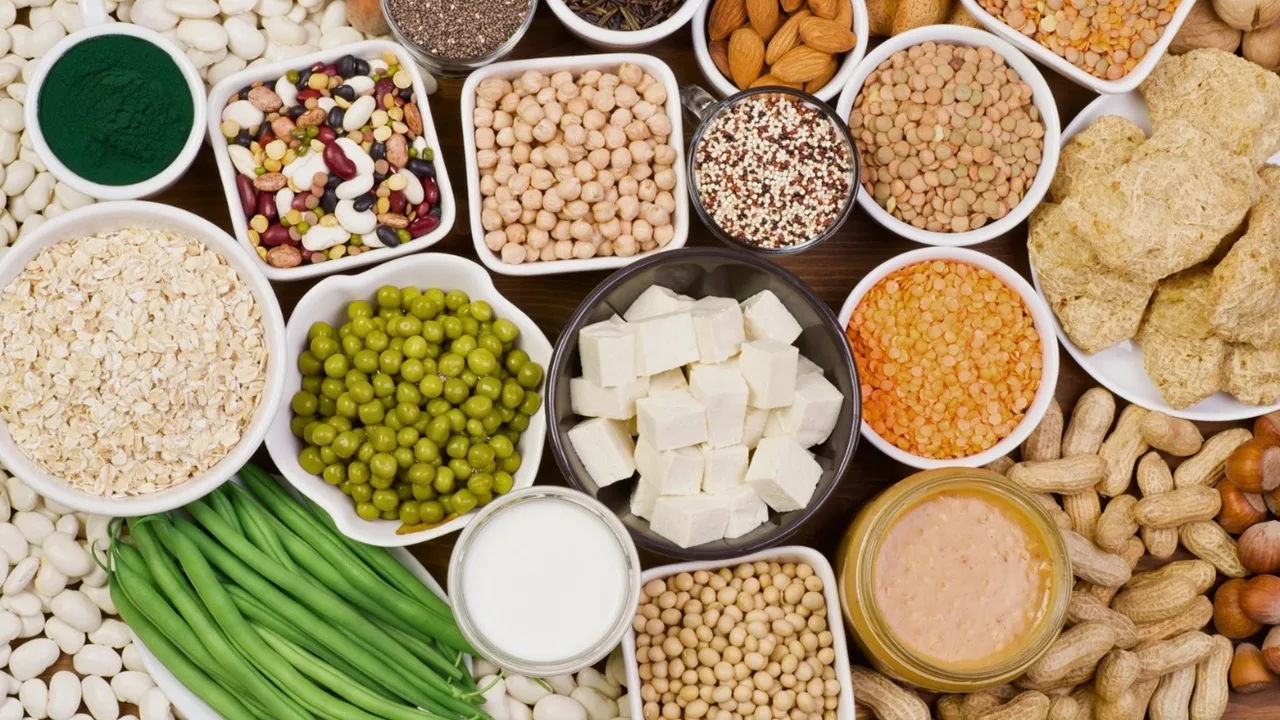
The main pitfall of these plans is that they can easily become nutritionally unbalanced and very high in unhealthy saturated fats. To avoid this, consider a moderate protein diet. This should enable you to include vegetable sources of protein that are not only low in fat, but also high in fiber and other nutrients which is great for curbing appetite and maintaining adequate overall nutrition.
Including some carbs in your diet is also better for your brain, since it prefers them over protein as a source of energy. It can also be much easier to stick with too, since as you’ll see by comparing the following diet charts, a “high” protein diet is a drastic change from the typical Western diet.
Also Read:- Struggling With Acidity? These Foods Can Help – or Make It Worse
Typical Western Diet, Moderate Protein and High Protein Low Carb Diet Diet Charts:
When reviewing the following diet charts, keep these points in mind.
- The Institute of Health’s Dietary Recommendations allow for a wide range of protein intake — anywhere from 10% to 35% of total calories — for normal, healthy adults.
- In the typical Western diet, 10%-15% of daily calories come from protein.
- The portion of total calories derived from protein is what defines a high-protein diet.
- For a moderate protein diet, this number ranges between 15-30%.
- For a high protein diet, this number ranges between 30%-50%, but 25% is also considered high protein for many people.
For comparison, this is what the Typical Western Diet looks like:
- Fat: 42%
- Protein: 15%
- Carbs: 43%
Moderate Protein, Low Fat Diet Chart:
- 30% protein
- 20% fat
- 50% carbs
Moderate Protein Diet Chart II:
Based on The ZONE Diet: Aims for a balance of fat, carbohydrates, and protein at every meal. Proponents of this plan believe this regulates the production of insulin, a hormone that triggers fat storage.
- Fat: 30%
- Protein: 30% –
- Carbs: 40%
High Protein Diet Charts:
Similar to Atkins Phase I: This plan has hardly any room for carbs and lots of room for proteins with high fat content.
- Protein: 30-35%
- Carbs: 0-5%
- Fat: 60-65%
Similar to Atkins phase II: This diet chart allows plenty of room for higher fat proteins, but little space for carbs or plant based sources of protein.
- Protein: 30-35%
- Carbs: 5-10%
- Fat: 50-55%
Based on the Atkins’ maintenance phase: This plan allows for a long-term diet of high-fat proteins but they are now accompanied by a moderate amount of carbohydrates.
- Fat: 40%
- Protein: 30%
- Carbs: 30%
That’s all for now in High Protein Low Carb Diet…. see you soon with other article on Dietivity
Disclaimer: This content, which includes advice, only offers general information. It is by no means a replacement for a professional medical opinion. For additional information, always speak with a specialist or your physician. This information is not the responsibility of Dietivity.