Experiencing weariness, feeling moody or seeing that your nails start cracking easily. Here’s what these symptoms indicate and how to address Essential Vitamins.
Your Body May Be Lacking Essential Vitamins: People are busy due to the fast-paced modern lifestyle, but what if their bodies are conveying warnings that they continue to ignore? These broad indicators of poor health, such as chronic exhaustion, dry skin, altered hair quality, and brittle nails, may indicate that the body is deficient in Essential Vitamins. These signs obviously require attention, but they should not be used as a foundation for conclusions or a medical diagnosis based solely on personal evaluation.
Key Details of Essential Vitamins
| Symptom | Possible Vitamin Link |
| Dry skin & hair changes | Vitamins A, B, C, D, E |
| Mouth ulcers | B-complex, iron |
| Mood swings | Vitamin D |
| Brittle nails | Biotin, iron, B12 |
| Persistent fatigue | B-vitamins, D, C |
| Slow workout recovery | Vitamins C, D, E |
| Temperature sensitivity | Vitamins A, C, D, E |
Also Read:- Lose Weight to Control Snoring: How Body Fat Affects Sleep Breathing
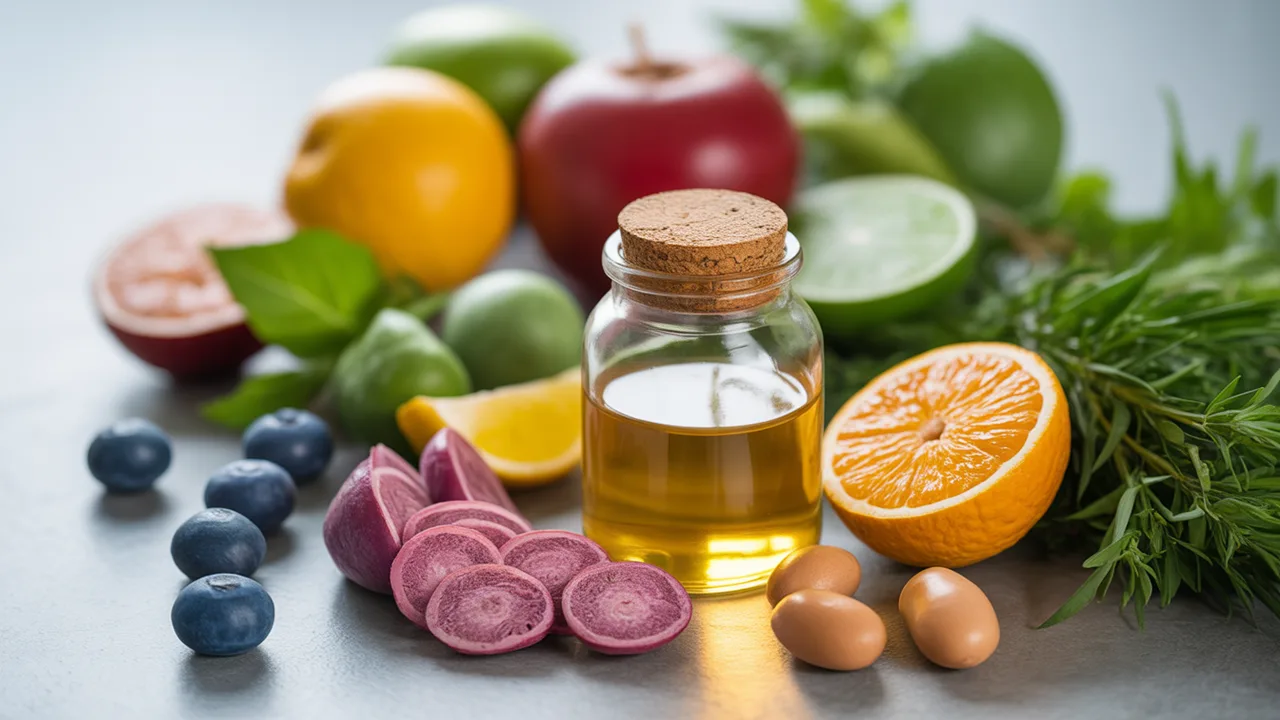
The secret is to practise and evaluate using precise, recurring blood tests that can indicate the precise amounts of vitamins in the body. Energy, immunity, skin, and the body’s ability to turn food into energy are all dependent on a Essential Vitamins balance. The majority of nutrient deficiencies can be caused by problems with diet, stress, sleep, and lifestyle. And people should act appropriately and seek guidance from a medical expert on how to raise their particular vitamin levels.
How to Support Your Essential Vitamins Intake
Here are some easy approaches to encourage daily vitamin intake and develop a customised strategy that meets needs. To accurately determine the body’s essential Vitamins levels, a blood panel should be obtained, and a nutritionist should be consulted for appropriate advice.
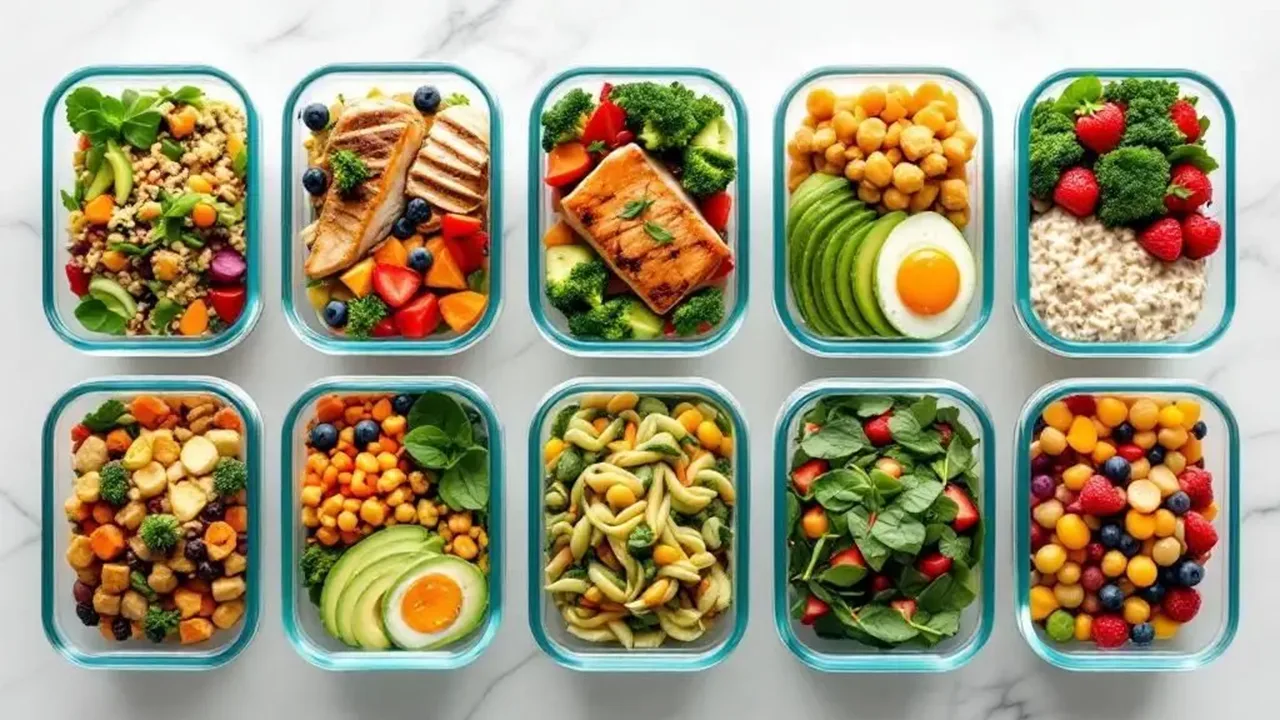
- Emphasis on balanced meals: People can use the plate approach, which makes use of colour diversity; the more colourful the plate, the better it is for the body’s nutritional needs. Protein, fibre, and healthy fats are necessary for a balanced diet, according to studies.
- Lifestyle choices that facilitate nutrient absorption: The body can obtain vitamin D by altering lifestyle choices to obtain adequate sunlight exposure. For optimal nutrition absorption, regular and frequent drinking is essential. Healthy substitutions can satiate cravings, and cutting back on ultra-processed food consumption might lessen the strain on the system.
- Increase the variety of your meals: Research shows that eating a diversified diet aids in supplying the body with essential Vitamins. A healthy plate that satisfies the body’s nutritional needs can be created by eating seasonal fruits, leafy greens, whole grains, nuts, and seeds.
Note: After having a blood panel to determine the body’s vitamin levels, see a nutritionist for tailored guidance.
Also Read:- Stopping Ozempic? Here’s What Could Happen to Your Weight and Blood Sugar
7 Sneaky Signs Your Body May Be Lacking Essential Vitamins
1. Dry Skin Or Hair Changes
Overall nutrition and hydration may be linked to persistent dry skin or changes in hair texture over time. The body need a healthy diet and consistent hydration from drinking liquids or eating foods that are hydrating according to the season. Low-calorie diets and deficiencies in proteins, minerals, vital fatty acids and essential Vitamins have been shown in numerous studies to cause changes in skin colour, hair texture and even severe hair loss. The following is a list of vitamins required for healthy hair and hydrated skin:
- Folic acid (B9): Vital for the production of red blood cells and other bodily functions.
- Vitamin A: It is essential for healthy growth, vision and the type of cells called epithelial cells that line the skin’s surface.
- Vitamin D: It is necessary for general health, including the absorption of calcium. A few case studies indicate a connection between hair thinning and vitamin D insufficiency.
- B vitamins: Specifically, thiamine (B1), riboflavin (B2), niacin (B3), and pyridoxine (B6) are essential for a healthy diet.
- Vitamin C: This water-soluble nutrient is essential for the production of collagen, the healing of wounds, and the reduction of oxidative stress in the skin.
- Vitamin B12 (cobalamin): Deficiency is associated with angular stomatitis, dry, brittle, thin, lustreless, and prematurely grey hair, as well as skin hyperpigmentation. It may result in thin, dark scalp hair in babies.
- Vitamin E: A soluble antioxidant that improves skin health by shielding skin barriers from UV free radicals and lowering inflammatory reactions.
These essential Vitamins are crucial for cellular turnover, immune function, and protecting against oxidative stress, all of which are important for healthy hair follicles and skin integrity.
2. Mouth Ulcers Or Cracks At The Corners Of Lips
Diet, hydration, and general lifestyle can all have an impact on these frequent problems. Iron and vitamin B in particular might result in oral symptoms including lip cracks at the corners. It’s crucial to remember that diverse body types, levels of physical activity, and eating habits can all show up as these symptoms. This is not a given, but it is a possibility. For an accurate diagnosis, it is obviously necessary to speak with a medical expert.
3. Frequent Mood Swings Or Low Motivation
The mind-body link is how the human body works, and mood control is the result of a balance between mental and physical health. Vitamin D is the primary vitamin whose shortage can affect motivation and mood. In India, between 70 and 90 percent of people do not receive enough vitamin D.
Since vitamin D is the foundation for the body’s absorption of nutrients, most people are advised to take supplements when their blood levels fall below the recommended level. Numerous studies have demonstrated that the brain performs better when it receives a healthy amount of direct sunlight, not just for the absorption of nutrients. Clinical data even points to a connection between anxiety , depression and low vitamin D levels.
4. Brittle Nails Or Easy Breakage
Many people struggle with brittle nails, which are largely disregarded until they begin to make sense in terms of science. The nails and their texture can be harmed by the body’s general nutrient intake, seasonal variations, harsh chemical detergents, and even harsh nail paints and removers. Brittle nails may result from a lack of certain macronutrients that the body needs for healthy nails. The following are these vitamins and nutrients:
- Vitamin C (ascorbic acid): Despite the paucity of clinical data, vitamin C is crucial for fortifying nails against infections.
- Biotin, also known as vitamin B7 or vitamin H, is in charge of the general health of nails.
- Vitamin B12: It is thought to help blood move through the nail tissue and circulate.
- Iron: Brittle nails are known to be caused by iron deficiency, which frequently results in anaemia.
5. Persistent Fatigue Or Low Energy
Low essential Vitamins levels can impact energy levels and day-to-day functioning when the body lacks necessary nutrients. The body’s ability to function on a daily basis can be impacted by lifestyle factors such as stress, irregular or disrupted sleep, and dehydration. Numerous research on persistent fatigue have indicated that long-term persistent fatigue may be caused by environmental variables such as water and air pollution, as well as a lack of access to clean green spaces in urban areas.
While this is true, some vitamins, such as the 13 important vitamins, which comprise four fat-soluble vitamins (vitamins A, D, E, and K) and nine water-soluble vitamins (eight B vitamins and vitamin C), are necessary to reduce the likelihood of experiencing persistent exhaustion.
6. Slow Recovery After Workouts
A healthy diet can aid in muscle healing following moderate or vigorous exercise. The muscles need a high-nutrient boost to regenerate after exercise since they are stretched. In addition to the adaptable vitamin D, the body need antioxidant vitamins C and E as well as vitamin B12 to minimise post-exercise muscle soreness and promote efficient muscular function. Research demonstrates that a vegetarian diet requires protein and vitamin D supplements, which are essential for healthy bones and muscles.
7. Increased Sensitivity To Temperature Change
A healthy essential Vitamins consumption can maintain steady nutritional levels in the body and increase metabolism. Specifically, the body’s ability to withstand cold temperatures is enhanced by fat-soluble vitamins A, E, and K as well as vitamins C and D. According to studies, eating seasonal functional foods with a high nutrient density helps the body become resilient to frequent temperature changes.
Also Read:- Yoga for PCOS: 8 Effective Asanas to Balance Hormones & Ease Symptoms
Overall wellbeing can be supported by a few clever, modest adjustments. The body’s nutritional balance can be restored by mindful eating and routine professional check-ins.
Disclaimer: All of the material in this site, including advice, is general. It is by no means a replacement for a professional medical opinion. For additional information, always speak with a specialist or your physician. This information is not the responsibility of Dietivity.