In addition to improving flexibility and circulation and preparing the body for labour, these 7 Safe Yoga Poses in Pregnanc-related discomforts such back pain, oedema, and exhaustion.
7 Safe Yoga Poses in Pregnanc: Pregnancy is a delicate time, and people should exercise considerable caution. Maintaining an active lifestyle throughout pregnancy is crucial and may help prevent certain diseases. Certain yoga poses are among the workouts that are helpful during pregnancy. Pregnant women should engage in 150 minutes of moderate activity per week, according to the World Health Organisation (WHO).
Key Details of Safe Yoga Poses in Pregnancy
| Yoga Pose | Safe Yoga Poses in Pregnanc |
| Viparita Karani | Reduces leg swelling, calms mind |
| Warrior II | Builds strength, balance, stamina |
| Malasana | Opens hips, supports labour |
| Child’s Pose | Relieves back tension, stress |
| Cat–Cow | Improves spinal mobility |
| Trikonasana | Eases digestion, posture |
| Butterfly Pose | Improves pelvic flexibility |
Also Read:- Lose Weight to Control Snoring: How Body Fat Affects Sleep Breathing
But it’s crucial to do it under professional supervision because doing the incorrect things can be more detrimental than beneficial. In addition to improving flexibility and circulation and preparing the body for labour, yoga can help reduce pregnancy-related discomforts such back pain, oedema, and exhaustion. These are some Safe Yoga Poses in Pregnanc that pregnant women can perform.
Also Read:- Is Well-Being the New Productivity? How Work Culture Will Change in 2026
7 Safe Yoga Poses in Pregnanc
1. Legs-Up-the-Wall Pose (Viparita Karani)
Swing your legs up as you drop onto your back while sitting sideways next to a wall. Scoot your hips close so that your legs rest vertically against the wall. By draining fluid from swollen legs and feet, this stance relieves heaviness from increased blood volume and varicose veins. By reversing the gravitational force on the pelvis, it eases lower back discomfort and soothes the mind, promoting greater sleep. Close your eyes and meditate for five to ten minutes.
2. Warrior II Pose (Virabhadrasana II)
Step feet wide apart, bend the front knee straight over the ankle, extend arms parallel to the floor, and glance over the front hand after turning the front toes forward and the back heel perpendicular. Without compressing the abdomen, this standing pose strengthens the legs, glutes, and core. As the body’s centre of gravity moves forward, it also increases endurance. Additionally, the asana improves focus and balance, which helps with the wobbliness that is typical during the second and third trimesters. For 30 to 60 seconds, hold each side.
3. Garland Pose (Malasana)
With your feet flat on the mat, your toes out, your knees tracking over your toes, and your palms together in prayer at your chest, squat. If you find it difficult to squat completely, place a block under your hips. This deep squat replicates the natural birthing position while strengthening the thighs, ankles, and pelvic floor. Additionally, it opens the hips for labour and massages the digestive tract to prevent constipation. With a long spine and wall support for stability, hold for one to two minutes.
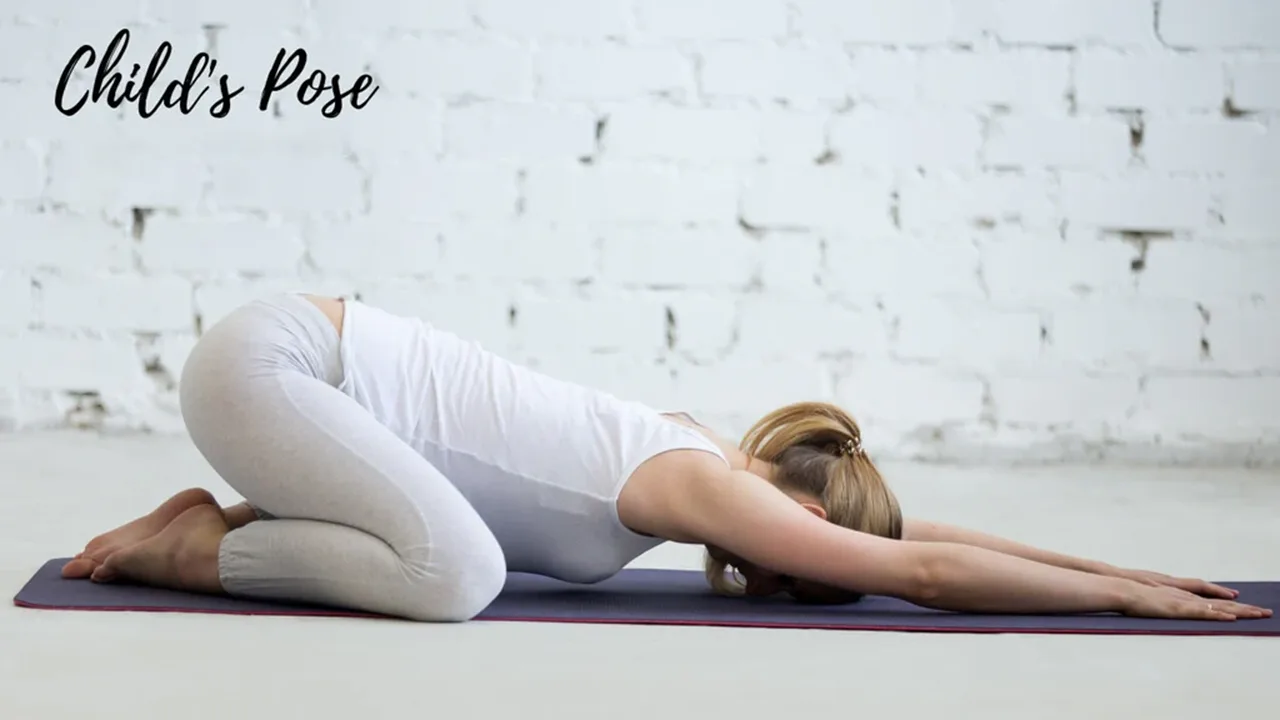
4. Child’s Pose (Balasana)
To accommodate the belly, kneel on the mat with your knees wide apart and your big toes touching. Next, lower your forehead to the ground or a pillow while folding forward with your arms outstretched or lying next to your body. Put a bolster beneath the torso for increased comfort in latter trimesters. This pose relieves the stiffness caused by weight gain by stretching the lower back, thighs, and hips. Additionally, it reduces anxiety, nausea, and insomnia by triggering the parasympathetic nervous system.
5. Cat-Cow Pose (Marjaryasana-Bitilasana)
one of the Safe Yoga Poses in Pregnanc: Place your hands beneath your shoulders and your knees beneath your hips as you begin on all fours. Exhale to round the spine upward and tuck the chin for Cat posture, and inhale to drop the belly towards the floor while raising the chest and tailbone for Cow stance. This flowing motion promotes flexibility in the vertebrae strained by postural changes during pregnancy, relieves lower back tension that increases with an expanding belly, and helps to massage the spine. Breathe in time with your movements as you slowly repeat 8–10 cycles.
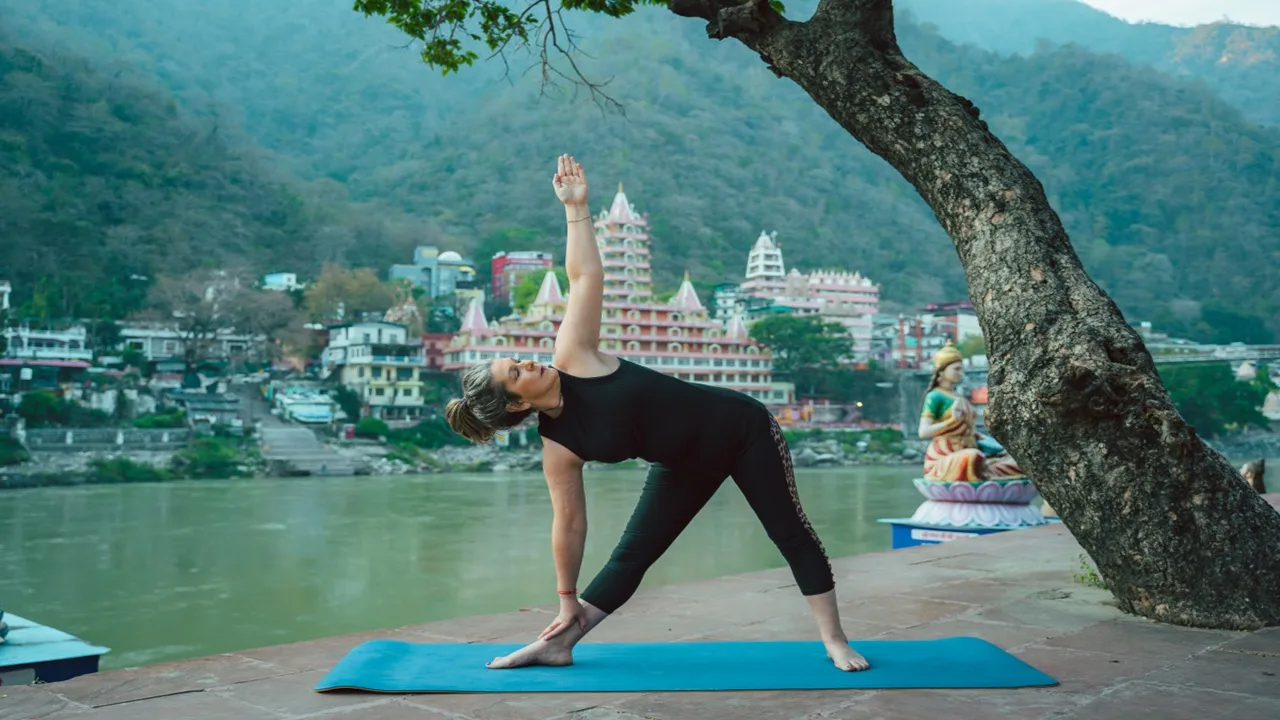
6. Triangle Pose (Trikonasana)
To stretch the front hand towards the shin, block, or floor while extending the upper arm skyward, stand wide and turn one foot forward and the other slightly in. Then, hinge at the hips. By lengthening the sides of the body, this stretch lessens backaches, compression of the rib cage, and slow digestion caused by the uterus pressing on organs. While the arm position improves posture and elevates mood, it stimulates the abdominal organs for better digestion. Breathe five times on each side.
7. Butterfly Pose (Baddha Konasana)
Clasp your hands around your feet or place them on your knees while sitting tall with the soles of your feet together and your knees outward like butterfly wings. Lay on a pile of cushions with your feet raised for a reclining version. For a deeper stretch, squeeze your knees towards the floor with your elbows or gently flap them up and down. By making the sacroiliac joints more flexible, this pose opens the pelvis and inner thighs, which is essential for a smoother labour. Additionally, it lessens sciatic discomfort, lessens leg weariness, and increases blood flow to the reproductive organs. Spend two to five minutes practicing this Safe Yoga Poses in Pregnanc.
After the first trimester, these Safe Yoga Poses in Pregnanc should be performed thoughtfully with adjustments, avoiding deep twists, inversions, or lying flat on the back, and utilising props like cushions, bolsters, or blocks. Start out carefully, pay attention to your body, and seek advice from a doctor or yoga instructor who can assist you based on the stage of your pregnancy.
Disclaimer: This content, which includes advice, only offers general information. It is by no means a replacement for a professional medical opinion. For additional information, always speak with a specialist or your physician. This information is not the responsibility of Dietivity.